Introduction: The Power of First Impressions in Real Estate
In today’s competitive U.S. housing market, first impressions matter more than ever. Buyers rarely make an emotional connection with a property from just the description. Instead, the visual quality of a listing often dictates interest, engagement, and, ultimately, sales. Visual Quality Property Sales, immersive virtual tours, and polished videos are no longer optional—they are essential. They convey professionalism, build trust, and help buyers envision living in a space.
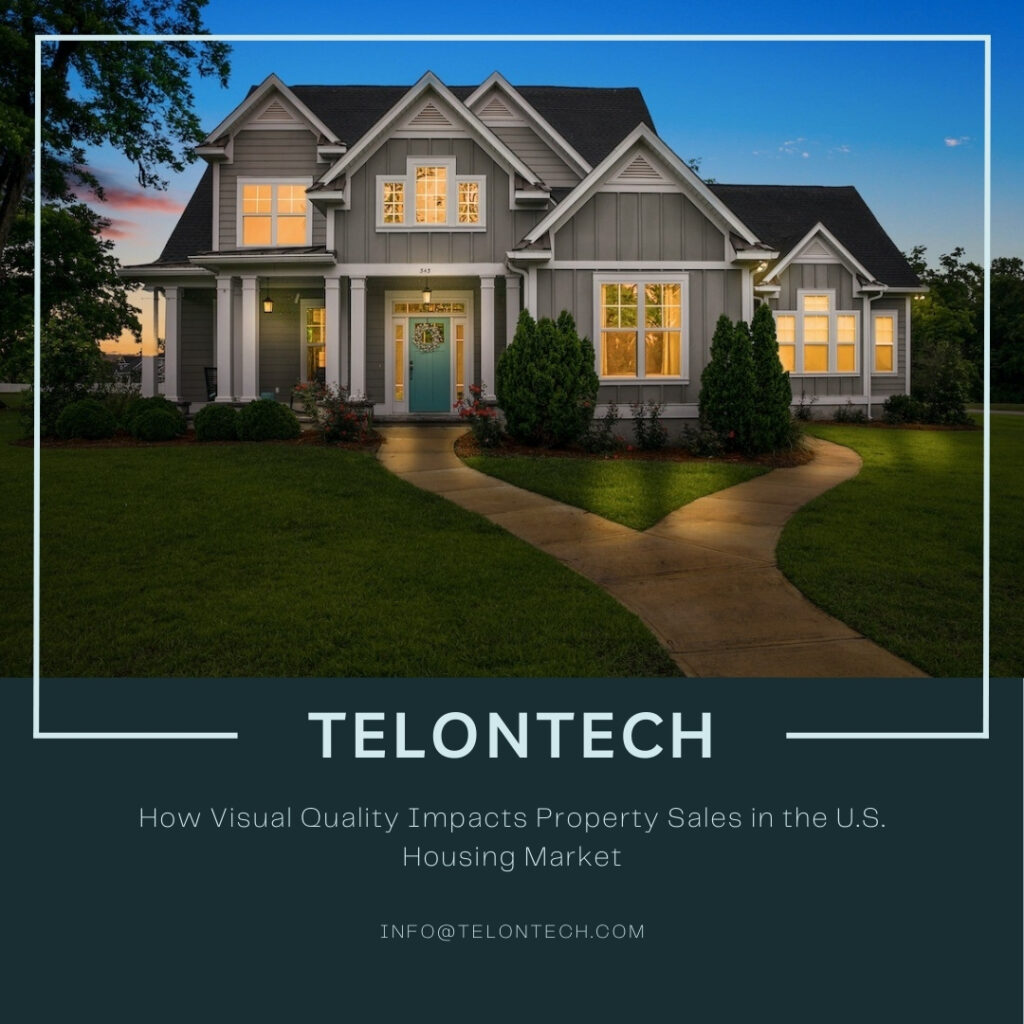
With more homes listed online than ever before, visual presentation is a differentiator. It affects how long buyers spend on a listing, whether they schedule a tour, and even their willingness to pay top dollar. In essence, Visual Quality Property Sales acts as a silent salesperson, highlighting property features while masking flaws. This blog explores how visual quality directly impacts property sales in the U.S. housing market, backed by insights, trends, and actionable strategies for real estate professionals.
The Rising Importance of Visual Content in Real Estate
Over the past decade, the way buyers search for homes has shifted dramatically. According to the National Association of Realtors, more than 90% of buyers start their search online. This statistic underscores the growing influence of visual content. High-resolution images, 3D tours, and professional staging photography create a compelling narrative that simple text cannot achieve.
Buyers scroll quickly through listings. If images are blurry, poorly lit, or unappealing, they move on within seconds. Conversely, high-quality Visual Quality Property Sales, encourage sharing, and increase inquiries. Transitioning from low-quality to professional photography can significantly shorten the selling cycle. This shift in consumer behavior explains why real estate agents now prioritize photography budgets as much as marketing campaigns.
Professional Photography Versus Amateur Images
Many homeowners attempt to photograph their properties themselves. While convenient, smartphone images often lack the technical precision required for effective marketing. Professional photography, on the other hand, emphasizes lighting, composition, and perspective. These images showcase a home’s best features, making spaces appear larger and more inviting.
Professional photographers also understand staging techniques. Strategic placement of furniture, decluttering, and careful angle selection can make a living room look expansive or a kitchen more functional. Studies indicate listings with professional photos sell faster and at higher prices than those relying on amateur snapshots. In the U.S., homes with high-quality visuals can sell for up to 10% more than comparable listings without professional photography.
The Role of High-Definition Video Tours
While photos attract initial attention, video tours deepen engagement. Videos provide a dynamic, immersive experience, allowing buyers to virtually walk through a property. They highlight spatial relationships, natural light, and neighborhood context, which static photos cannot fully convey.
Video tours are particularly valuable for international investors or buyers relocating from other states. They reduce the need for physical visits early in the decision-making process, streamlining transactions. Additionally, videos shared on social media platforms can reach broader audiences, generating organic interest beyond traditional MLS listings.
Virtual Staging and Its Advantages
Virtual staging has emerged as a cost-effective tool in the real estate market. Unlike traditional staging, which requires renting furniture and accessories, virtual staging digitally furnishes empty spaces. This approach allows for multiple design styles to appeal to diverse buyers.
Visual Quality Property Sales is particularly impactful in the U.S. housing market, where buyers often rely on visuals to imagine their future home. Well-executed virtual staging can make rooms appear larger, highlight architectural features, and create an emotional connection. Listings with virtual staging often generate more leads and showings compared to empty properties or poorly staged spaces.
Lighting: The Unsung Hero of Visual Quality
Lighting is one of the most critical elements in real estate photography and video production. Natural light enhances colors, creates warmth, and gives spaces a welcoming ambiance. Photographers carefully schedule shoots during “golden hours” when sunlight is soft and flattering.
Artificial lighting is equally important for interiors with limited windows. Balanced lighting eliminates shadows and ensures every detail is visible. Poor lighting can obscure key features, distort colors, and reduce perceived value. Buyers subconsciously associate well-lit spaces with cleanliness, safety, and comfort, all of which influence purchasing decisions.
How Visual Quality Builds Buyer Trust
High-quality visuals signal professionalism and credibility. When images are sharp, well-lit, and thoughtfully composed, buyers perceive the listing as managed by a trustworthy agent. Conversely, low-quality photos raise doubts about property maintenance, pricing accuracy, or agent competence.
Trust is crucial in high-stakes transactions such as real estate. Buyers invest not only money but also time and emotional energy. Clear visuals reduce uncertainty, foster confidence, and accelerate decisions. In essence, every image serves as proof of quality, shaping perceptions before a buyer even steps foot inside the property.
Social Media and Online Visibility
The U.S. housing market increasingly relies on social media to generate leads. Platforms like Instagram, Facebook, and TikTok are highly visual, making content quality a decisive factor. Posts with stunning images and video tours garner higher engagement, which translates into more inquiries and showings.
High visual quality also boosts search engine performance. Listings with multiple high-resolution images often rank higher on real estate portals, attracting organic traffic. This dual effect—social media reach and online visibility—demonstrates how visual quality directly impacts a property’s market presence.
Emotional Engagement Through Visual Storytelling
Visual quality does more than convey details—it tells a story. Buyers want to imagine themselves living in a space. Photos and videos can evoke feelings of comfort, luxury, or community. Wide-angle shots, aerial views, and lifestyle photography all contribute to an emotional narrative.
Effective storytelling encourages buyers to spend more time on a listing, envision daily routines, and form a connection with the property. Emotional engagement is often the difference between a casual browser and a motivated buyer, emphasizing the strategic importance of professional visuals.
The Psychological Effect of Clutter-Free Visuals
Clutter and distractions in images reduce appeal. Messy spaces, personal items, or poor arrangements can prevent buyers from focusing on key property features. Professionals understand how to declutter spaces and frame photos for maximum impact.
Psychology studies reveal that buyers are more likely to choose homes that appear clean, organized, and move-in ready. High visual quality removes distractions, highlights functionality, and presents a property in its best light. As a result, clean, well-composed visuals shorten decision-making time and increase perceived value.
Cost-Effectiveness of Investing in Visual Quality
Some sellers hesitate to invest in professional visuals, fearing high costs. However, this investment often pays for itself. Faster sales reduce carrying costs, and high-quality visuals can justify higher listing prices.
Consider this: a $500 professional photography session can lead to a $20,000 increase in the final sale price or a faster transaction by several weeks. From an ROI perspective, investing in visual quality is a strategic move rather than an optional expense.
Comparative Case Studies in the U.S. Housing Market
Recent market analysis shows a clear correlation between visual quality and sales performance. Homes with professional photos and video tours sell, on average, 32% faster than those without. Additionally, virtual staging and drone photography can increase buyer interest by over 50%.
These trends are particularly noticeable in competitive metropolitan areas like New York, Los Angeles, and Miami, where buyers have abundant options. Visual differentiation becomes a critical tool to attract attention in saturated markets.
Adapting to Technological Advancements
Technology continues to reshape real estate marketing. 3D walkthroughs, augmented reality, and drone imaging enhance the buyer experience. Staying ahead of these trends signals to buyers and investors that a property is modern, well-maintained, and professionally marketed.
Agents and sellers who embrace these tools gain a competitive advantage. Listings featuring advanced visuals often achieve faster sales, higher offers, and stronger online engagement, demonstrating the ongoing impact of visual quality on market outcomes.
Regional and Market-Specific Considerations
Visual Quality Property Sales vary across the U.S. Coastal cities might emphasize luxury aesthetics, while suburban areas prioritize family-friendly layouts. Understanding the target market ensures visuals align with buyer expectations.
Agents must tailor lighting, staging, and imagery styles to the region. A one-size-fits-all approach can miss opportunities, while locally optimized visuals resonate with prospective buyers and accelerate sales.
The Role of Drone Photography in Modern Listings
Drone photography has revolutionized property marketing in the U.S., offering aerial perspectives that standard photography cannot capture. For larger estates, luxury homes, or properties with extensive landscaping, drone shots highlight the scale, layout, and surrounding neighborhood.
Buyers gain context about property location, proximity to amenities, and outdoor spaces. Aerial views are particularly effective for waterfront properties, golf communities, or sprawling suburban homes. Listings featuring drone photography often stand out in competitive markets, attracting more inquiries and serious buyers.
The Rise of Interactive 3D Tours
Interactive 3D tours allow buyers to virtually navigate a property at their own pace. Unlike video tours, 3D walkthroughs give users control, enabling them to focus on areas of interest. This technology appeals to tech-savvy buyers and out-of-state investors who may not visit in person until late in the process.
3D tours also reduce unnecessary showings, saving time for both agents and buyers. Homes with 3D walkthroughs tend to generate higher engagement metrics online, including longer session durations and repeat visits, which often translate into faster offers.
Enhancing Online Listings with Consistent Visual Branding
Consistency in visual presentation helps establish credibility. Using a cohesive style for all listing photos, videos, and social media content creates a professional image for agents and agencies. Buyers recognize the attention to detail, which can influence trust and perceived property value.
Elements such as color grading, lighting adjustments, and branded watermarks create a polished online presence. When multiple listings maintain visual consistency, buyers perceive the agency as organized, reliable, and experienced, increasing the likelihood of inquiries.
Highlighting Unique Property Features Visually
Every property has standout features—fireplaces, vaulted ceilings, hardwood floors, or custom kitchens. High-quality visuals ensure these unique aspects are highlighted effectively. Close-up shots, carefully framed angles, and strategic lighting can make a property memorable.
Buyers often recall listings based on a single striking image. By focusing on distinctive elements, agents can differentiate a property from similar homes, create a lasting impression, and increase buyer interest.
Seasonal and Time-Sensitive Photography Considerations
Visual appeal can vary depending on the season or time of day. Fall foliage, spring blooms, or summer sunsets can enhance a property’s presentation. Professional photographers schedule shoots to capture these elements, creating an emotional connection for buyers.
Additionally, time-sensitive lighting, such as golden hour photography, enhances colors and textures, making homes appear warmer and more inviting. Seasonal visuals can also help agents market listings in line with buyer expectations, whether highlighting cozy winter interiors or vibrant outdoor spaces.
Visual Quality and Pricing Strategy
High-quality visuals support pricing strategies by emphasizing value. Properties that look well-maintained and visually appealing justify higher listing prices. Buyers often perceive well-presented homes as better investments, increasing their willingness to pay premium amounts.
Conversely, poor visuals may require price reductions to attract attention. This relationship underscores why investing in professional visuals is not just marketing—it is a pricing tool that can influence final sale outcomes.
Using Visual Quality to Target Specific Buyer Demographics
Different buyer groups respond to different visual styles. Young professionals may prefer modern, minimalistic staging with lifestyle-focused photography. Families might respond better to images highlighting space, play areas, and functional layouts.
By tailoring visuals to target demographics, agents can increase engagement and conversion rates. Understanding buyer psychology and aligning photography, video, and virtual staging with their expectations ensures listings resonate with the right audience.
The Impact of High-Quality Visuals on Marketing Campaigns
Beyond listings, visual quality affects all marketing channels. Ads on social media, email campaigns, and digital promotions perform better when paired with high-quality visuals. Higher engagement rates lead to more inquiries and showings.
Marketing campaigns built around professional visuals are also more likely to generate referrals. Buyers often share impressive photos with friends and family, increasing organic reach. Strong visuals make campaigns more cost-effective and efficient in driving results.
Visual Storytelling for Neighborhood Appeal
Visuals can also highlight the surrounding community, which influences buyer decisions. Streetscapes, nearby parks, schools, and amenities can be photographed to show lifestyle advantages.
Buyers are not just purchasing a home—they are buying a lifestyle. Visual storytelling of the neighborhood enhances emotional engagement, allowing potential buyers to imagine daily life in the area. This perspective can differentiate similar properties in competitive markets.
Measuring the ROI of Visual Investments
Investing in visual quality should be data-driven. Agents can track metrics such as time on listing, social media engagement, number of inquiries, and showings. Comparing these metrics before and after professional visuals demonstrates measurable impact.
ROI extends beyond financial metrics. Faster sales, fewer negotiations, and higher perceived value all contribute to the overall effectiveness of investing in visual marketing. This approach encourages agents to continually innovate and maintain high visual standards.
Emerging Trends in Real Estate Visual Marketing
The U.S. housing market continues to evolve with technology. Virtual reality, AI-powered staging, and interactive floor plans are increasingly popular. Buyers expect modern, tech-driven experiences that go beyond standard photography.
Agents who adopt emerging trends early gain a competitive edge. High-quality visuals, combined with innovative technologies, position properties as desirable and forward-thinking. Staying ahead of visual marketing trends ensures long-term success in a rapidly changing market.
Visual Quality as a Differentiator in a Saturated Market
In metropolitan areas with dense housing options, visual quality becomes a key differentiator. When multiple homes are listed at similar prices, buyers gravitate toward properties with superior visuals.
This differentiation is not limited to luxury markets; even mid-range and suburban homes benefit. A visually compelling listing can attract more attention, generate higher engagement, and lead to multiple offers. Visual excellence is now a strategic necessity, not a luxury.
Conclusion: Investing in Visual Excellence Pays Off
In the U.S. housing market, visual quality is not just a marketing tactic—it is a decisive factor in property sales. Professional photography, video tours, virtual staging, and strategic lighting influence buyer perceptions, trust, and engagement.
High-quality Visual Quality Property Sales connection, boost online visibility, and justify higher asking prices. They shorten the sales cycle and elevate market competitiveness. Real estate professionals who prioritize visual excellence gain measurable advantages, ensuring properties attract attention, inspire confidence, and ultimately sell faster and at better prices.
In a market driven by first impressions, investing in visual quality is an investment in success. Properties that look exceptional online do not just attract buyers—they convert interest into offers, proving that in today’s digital-first housing market, seeing truly is believing.