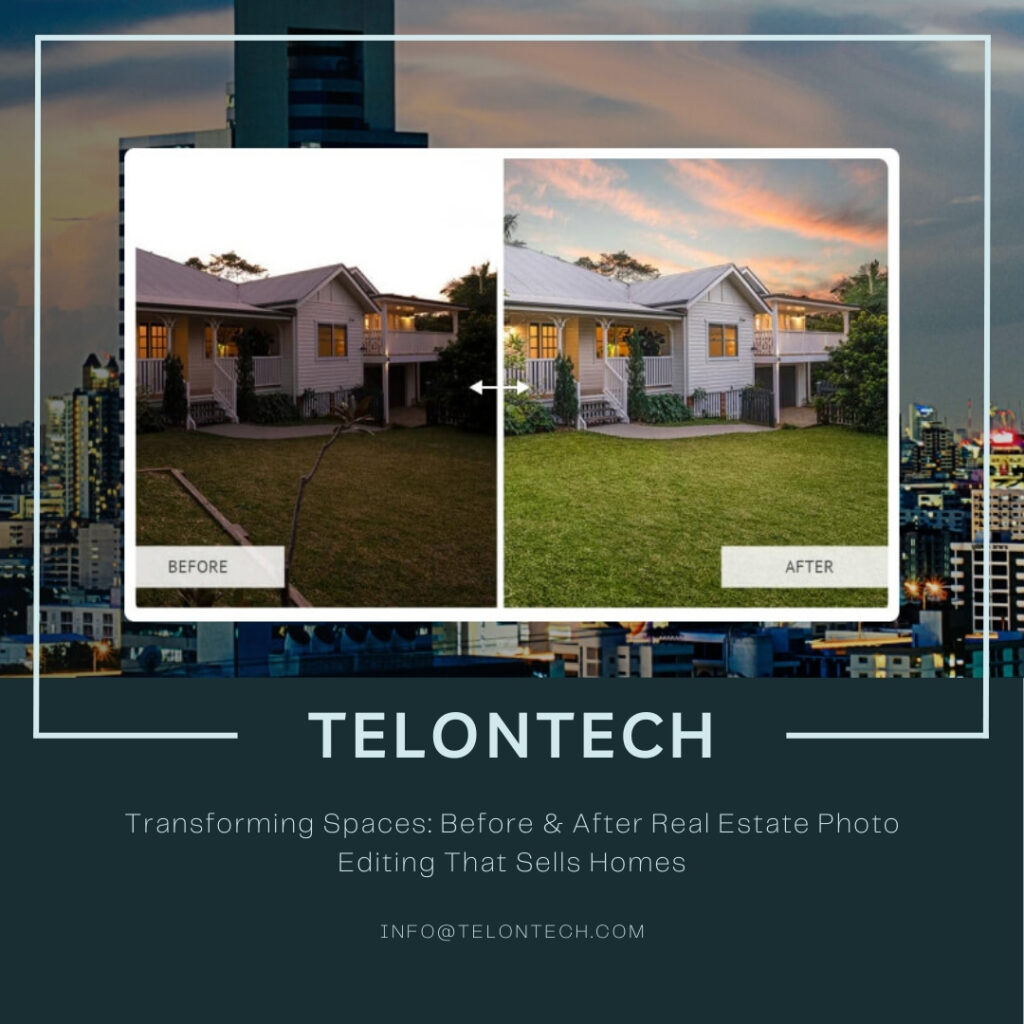
Real estate today is not just about location or square footage; it’s about the first impression. In a market flooded with listings, a photo can make or break a deal. Buyers often decide within seconds whether a property is worth their time, which is why real estate photo editing has become an essential tool. From enhancing lighting to correcting colors, removing distractions, and making spaces appear larger, professional photo editing transforms ordinary images into compelling visuals that attract attention. In this blog, we will explore real case studies of Before After realestate photo editing, showing how the right adjustments can elevate properties and even influence sales.
The Power of Visual Storytelling in Real Estate
Photos are the silent salespeople of real estate listings. A poorly lit or cluttered image can turn potential buyers away, while a well-edited photo can spark curiosity and emotional engagement. Before After realestate photo editing allows agents to present a property’s best features, telling a story that entices viewers to imagine themselves living in that space. Subtle enhancements such as brightening interiors, balancing shadows, and improving contrast can make a home feel more inviting.
In one real case study, a 2-bedroom apartment received minimal interest online due to dim and unbalanced photos. After professional editing, including exposure correction and color balancing, inquiries doubled within a week. This example demonstrates how even modest improvements in photo quality can generate significant interest and ultimately accelerate the sales process.
Enhancing Lighting: From Dull to Dramatic
Lighting plays a crucial role in photography, and many real estate photos suffer from poor natural or artificial light. Dark corners, harsh shadows, and overexposed windows can create unflattering images. Photo editors use advanced techniques to enhance lighting, brighten interiors, and restore natural light flow without making the image look unrealistic.
A notable case involved a 3-bedroom suburban home with small windows that failed to illuminate rooms effectively. Post-editing adjustments included brightening shadows, toning down overexposed areas, and adding a subtle warm glow. The difference was striking: rooms looked spacious, welcoming, and visually appealing, which increased online engagement significantly.
Color Correction: Making Spaces Pop
Colors have a psychological impact on buyers. Yellowish walls, dull carpets, or inconsistent lighting can make a property appear outdated or neglected. Real estate photo editing addresses these issues with color correction, ensuring accurate representation of wall colors, flooring, and furniture while enhancing vibrancy.
One real-life case study featured a property with outdated mustard-colored walls that appeared gloomy in photos. Editors corrected the color to a soft, neutral tone, enhancing the room’s brightness and appeal. After the edits, the property received praise for its clean, modern look, leading to a quicker sale.
Removing Clutter: Focus on the Home
Cluttered photos distract buyers from the home itself. From personal items to unnecessary furniture, distractions can reduce the perceived value of a property. Photo editing techniques such as object removal and background clean-up help create a minimalistic, spacious feel.
A small studio apartment case illustrates this perfectly. Before editing, the apartment looked cramped due to visible laundry baskets, shoes, and scattered belongings. After removing these distractions digitally, the space felt open and inviting. Potential buyers could now focus on architectural features and the apartment’s layout, improving engagement and showing the home in its best light.
Virtual Staging: Bringing Empty Spaces to Life
Empty rooms can feel cold and uninviting, leaving buyers unable to visualize living there. Virtual staging places furniture, rugs, and décor into empty spaces using photo editing software, creating a more appealing environment.
A real estate agent marketing a new condo unit used virtual staging to add furniture and decorative touches. The before images were stark and lacked personality. After staging, the property looked warm and lived-in. The photos generated a dramatic increase in inquiries and even led to multiple offers within days.
Highlighting Architectural Features
Sometimes, a property’s unique architectural features get lost in unrefined photos. Photo editing emphasizes details such as crown molding, fireplaces, or textured walls, making them stand out.
For example, a historic home with intricate ceiling designs was photographed poorly, hiding its charm. After editing, the ceiling details were enhanced, shadows balanced, and light redistributed to highlight craftsmanship. Buyers were able to appreciate the home’s distinct character, which elevated its market value.
Correcting Perspective and Angles
Before After realestate photo editing often suffers from awkward angles or skewed perspectives. Wide-angle lenses can distort rooms, while handheld cameras may produce tilted lines. Editing software can correct perspective, straighten lines, and create balanced, professional images.
A duplex property with slanted floor lines initially appeared cramped. Editing corrected the angles, giving viewers a true sense of room dimensions. Buyers reported that the images felt “truer to life,” which increased confidence in scheduling property visits.
Outdoor Spaces: Curb Appeal Matters
Exterior photos are as important as interiors. Faded lawns, parked cars, or shadows can reduce a home’s curb appeal. Photo editing helps enhance landscaping, balance shadows, and create inviting outdoor images.
In one suburban house example, the lawn looked patchy and the driveway was cluttered. Editing brightened greenery, removed visual distractions, and highlighted the home’s exterior features. The improved visuals generated more online clicks and scheduled tours, proving the importance of polished exterior shots.
Night Shots and HDR Editing
Some properties shine during dusk or evening hours, but low light conditions make capturing them challenging. Photo editing, including High Dynamic Range (HDR) techniques, enhances night shots by balancing shadows and highlights while maintaining natural light ambiance.
A penthouse apartment with stunning city views had poorly lit evening photos. Editors combined multiple exposures, brightened the skyline, and emphasized interior lighting. The result was a dramatic, eye-catching image that attracted high-end buyers and led to quicker interest than standard daytime shots.
Real Case Study: Small Apartment Transformation
A one-bedroom apartment in an urban setting had decent structure but poor photo quality. Walls were dull, furniture placement was awkward, and lighting was insufficient. After professional editing, including color correction, object removal, and lighting enhancement, the apartment’s visual appeal skyrocketed.
The listing’s online impressions increased by 70%, and inquiries doubled within two weeks. This case highlights how strategic photo editing can maximize a property’s potential without expensive renovations.
Real Case Study: Luxury Home Makeover
Luxury properties demand flawless presentation. One 5-bedroom estate had beautiful interiors but cluttered photos, uneven lighting, and inconsistent colors. After editing, every room looked expansive, bright, and sophisticated. Virtual staging added tasteful décor, while HDR techniques enhanced natural light and views.
The results were outstanding: the property sold within three weeks at a price above the asking value, showcasing how professional photo editing directly impacts high-end sales.
Common Mistakes in Real Estate Photo Editing
Even with editing, mistakes can occur. Over-saturation, unrealistic shadows, or distorted perspectives can make images appear fake and reduce buyer trust. Successful editing requires balance: enhancing visuals while maintaining authenticity.
One case involved an agent who over-edited a property’s images, making walls appear unnaturally bright and furniture oddly shaped. Potential buyers immediately noticed, resulting in negative feedback. This emphasizes the importance of subtle, realistic edits over dramatic alterations.
Choosing the Right Real Estate Photo Editor
Selecting a skilled photo editor is crucial. Look for professionals with experience in real estate, attention to detail, and a portfolio of before-and-after examples. Editors who understand lighting, color theory, and virtual staging will produce images that attract buyers while staying true to the property.
A case study of a rental property showed that hiring a dedicated editor resulted in faster lease agreements, higher rental rates, and positive reviews, proving that expert editing is an investment with measurable returns.
Measuring Success: Analytics and ROI
Photo edits aren’t just for aesthetics; they impact real estate metrics. Improved photos increase click-through rates, time spent on listings, and inquiry volume. Tracking analytics helps agents measure the effectiveness of edits.
In one study, edited photos increased listing clicks by 50%, scheduled viewings by 35%, and reduced average days on market by nearly 20%. The ROI of professional editing becomes clear: better visuals translate to faster, higher-value sales.
The Psychology Behind Real Estate Photography
Buyers make emotional decisions, often influenced by images before they even step foot inside a property. Real estate photo editing taps into this psychology by creating a sense of warmth, space, and comfort. Bright, clean, and well-lit images evoke positive feelings, encouraging viewers to imagine themselves living in the home.
In a case study of a small townhouse, the original images felt cold and uninviting due to shadows and clutter. After professional editing, the photos exuded warmth, highlighting cozy corners and inviting light. Potential buyers commented on the “homey” feeling, demonstrating how editing impacts emotional engagement and decision-making.
The Role of Drone Photography and Aerial Edits
Aerial images are becoming essential for showcasing large properties, estates, or properties with attractive surroundings. However, drone images can have inconsistencies in lighting, shadows, and horizon lines. Photo editors adjust these images to balance exposure, enhance colors, and straighten lines, ensuring professional quality.
One real case involved a countryside property whose aerial shots looked dull due to overcast weather. Editors brightened the fields, enhanced the pool’s reflection, and emphasized landscaping. The improved photos attracted buyers from neighboring cities, proving the importance of aerial photo editing.
Real Estate Photo Editing for Investment Properties
Investment properties often rely on volume and speed to attract buyers or tenants. Edited photos can highlight the potential of spaces, making small or outdated properties feel appealing.
A case study involved an older apartment complex that was struggling to find tenants. Editors enhanced lighting, removed minor wear-and-tear marks, and virtually staged units. Within a month, the property’s occupancy rate increased by 40%, showcasing how strategic editing improves profitability for investors.
Seasonal Edits: Making Properties Look Timeless
Seasonal conditions can make properties look less attractive in photos—snowy driveways, bare trees, or dull winter skies may discourage buyers. Real estate photo editing can subtly adjust seasonal effects, creating timeless visuals that appeal year-round.
One vacation home was photographed in late winter, giving it a cold and lifeless appearance. Editors enhanced greenery, brightened skies, and added warm light reflections inside. The property looked like a year-round retreat, which increased booking inquiries and long-term interest.
Balancing Authenticity and Enhancement
One of the most critical aspects of photo editing is maintaining authenticity. Over-editing can backfire, creating unrealistic expectations and undermining trust. The best edits enhance the property’s features without altering its true characteristics.
A luxury condo case showed this perfectly: editors enhanced lighting and colors while preserving the actual floor plan and textures. Buyers appreciated the honesty, which built credibility for the agent and helped close the deal faster.
Before After realestate photo editing: The Visual Impact
Side-by-side comparisons of Before After realestate photo editing are powerful tools for marketing. They demonstrate the difference professional editing can make and reinforce the value of investing in quality visuals.
A commercial property listing used Before After realestate photo editing in its online ads. The enhanced photos showed cleaner lines, brighter interiors, and uncluttered spaces. Viewer engagement increased significantly, with a 60% higher click-through rate than listings without comparative visuals.
The Future of Real Estate Photo Editing
As technology evolves, real estate photo editing is becoming more advanced, with AI-based enhancements, automated virtual staging, and predictive visualizations. These tools allow agents to present properties in increasingly compelling ways, catering to tech-savvy buyers who expect high-quality visuals.
A recent case study involved an AI-powered editing tool for a luxury high-rise. Editors adjusted lighting, removed distractions, and virtually staged apartments within hours. The property went live with professionally polished images, resulting in multiple offers within days.
Tips for Homeowners Preparing for Photos
While editing is crucial, preparation matters too. Simple steps such as decluttering, arranging furniture, cleaning surfaces, and ensuring adequate natural light can dramatically reduce editing time and improve outcomes.
A case study of a newly renovated home showed that pre-edit preparation combined with professional editing led to a 75% increase in online inquiries compared to listings without preparation. This reinforces the synergy between careful staging and post-production enhancements.
How Real Estate Photo Editing Supports Marketing Campaigns
High-quality photos are essential for marketing across platforms, including MLS listings, social media, and print advertisements. Consistent, polished visuals strengthen brand perception and attract more potential buyers.
A real estate agency that invested in edited visuals across its marketing channels reported increased engagement on social media posts, higher email click-through rates, and faster property turnover. This demonstrates that photo editing is not just about visuals—it’s a marketing strategy.
Conclusion: Why Before & After Editing Matters
Before After realestate photo editing is no longer optional—it’s essential in today’s competitive market. Through color correction, lighting enhancement, clutter removal, virtual staging, and perspective adjustments, professional edits transform ordinary images into compelling visuals that sell. Real case studies demonstrate the dramatic impact of before-and-after edits on buyer engagement, inquiries, and sales.
Investing in quality photo editing not only enhances a property’s online presence but also builds trust and highlights its true potential. In an industry where first impressions matter, polished visuals can be the difference between a listing that lingers and one that sells quickly at the best price.