Introduction
In today’s competitive real estate market, captivating visuals are no longer optional—they are essential. Buyers often form first impressions of a property online, making high-quality images crucial. Residential HDR Photo Editing has emerged as a game-changing technique for realtors, allowing every home to shine with professional-grade imagery. By balancing light and shadows, HDR makes spaces appear brighter, more inviting, and accurately detailed. This comprehensive guide will walk realtors through the ins and outs of HDR photo editing for residential listings, providing actionable tips to enhance your online presence, attract more buyers, and ultimately close sales faster.
1. Understanding HDR Photography in Real Estate
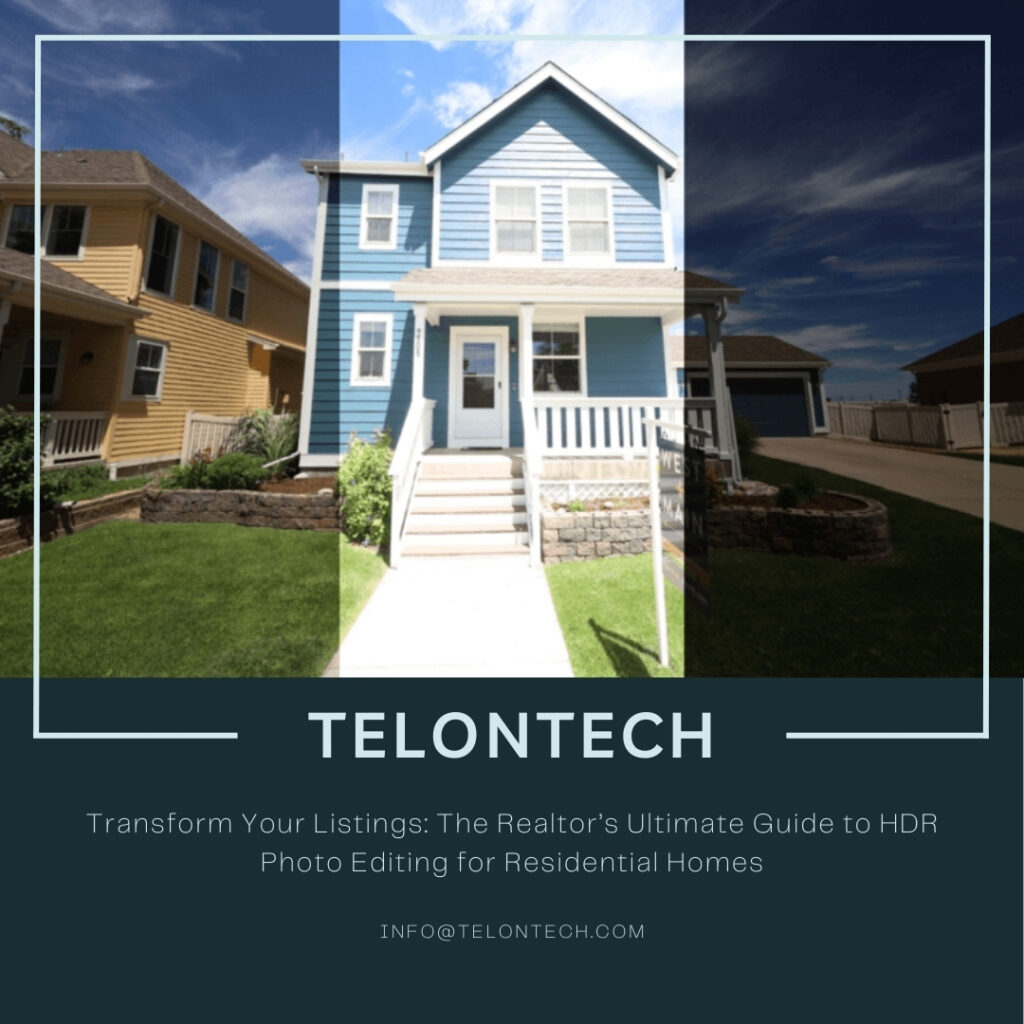
Residential HDR Photo Editing is a technique that combines multiple images taken at different exposure levels into a single, balanced photo. Residential properties often feature contrasting lighting conditions, such as bright windows and darker interiors. HDR ensures that both highlights and shadows are visible, creating an evenly lit image. Unlike standard photography, which can lose detail in extreme lighting, HDR maintains texture, depth, and realism. Realtors who master HDR gain a significant advantage in making properties visually compelling, ensuring potential buyers can appreciate every corner of a home.
2. The Importance of HDR in Residential Listings
Visual appeal is a deciding factor for buyers browsing online. HDR photos provide clarity that standard images cannot achieve, allowing listings to stand out. When buyers see professionally edited images, they perceive the property as well-maintained and desirable. Studies indicate that homes with high-quality photos sell faster and often achieve higher offers. Moreover, HDR images can capture the ambiance of a property more accurately, helping buyers envision themselves living there. For realtors, this translates into stronger engagement, higher inquiries, and ultimately, more successful transactions.
3. Equipment Essentials for HDR Photography
To achieve impressive Residential HDR Photo Editing, proper equipment is essential. A DSLR or mirrorless camera with manual exposure settings allows realtors to capture multiple brackets of the same scene. Tripods are critical to prevent misalignment between shots. Wide-angle lenses help showcase space, while remote triggers or timers reduce camera shake. Although smartphones are improving HDR capabilities, professional-grade cameras provide more control over exposure, color, and image quality. Investing in reliable equipment ensures that the foundation of your HDR workflow is strong and consistent.
4. Shooting Techniques for HDR Residential Photography
Proper shooting technique is key to effective HDR images. Always use a tripod to stabilize shots and maintain consistent framing. Capture three to seven bracketed images at varying exposure levels, including underexposed, properly exposed, and overexposed frames. Focus on areas with high contrast, such as rooms with large windows or intricate architectural details. Avoid moving subjects, as they can create ghosting in HDR merges. By mastering these techniques, realtors can produce images that highlight a home’s best features while retaining natural lighting.
5. HDR Photo Editing Workflow: Step by Step
Once images are captured, editing transforms them into polished, listing-ready photos. Start by merging bracketed images using software like Adobe Lightroom or Photomatix. Adjust exposure, highlights, and shadows to achieve balance without exaggerating the colors. Use clarity and vibrance settings to enhance textures subtly. Correct lens distortions and straighten lines to maintain architectural integrity. The key is to create natural-looking images that accurately reflect the property while enhancing visual appeal. Consistency across all images in a listing ensures a professional presentation that builds trust with potential buyers.
6. Enhancing Interiors with HDR Editing
Interior photos benefit immensely from Residential HDR Photo Editing. Spaces often contain multiple light sources, including natural sunlight and artificial lighting. HDR balances these variations, ensuring rooms appear bright but realistic. Adjust white balance to maintain true colors, and avoid over-saturating furniture or decor. Subtle shadow adjustments can reveal hidden corners, making rooms appear larger. By applying HDR carefully, realtors can highlight spaciousness, textures, and design elements, creating an inviting atmosphere that draws buyers’ attention.
7. Exterior Photography: Maximizing Curb Appeal
The exterior of a home is a buyer’s first visual impression. HDR editing enhances curb appeal by balancing bright skies with shadowed facades. Bring out details in landscaping, architectural features, and outdoor living spaces. Correct color temperature to ensure lawns and plants appear vibrant yet natural. HDR also helps during challenging lighting conditions, such as cloudy days or harsh midday sun. By presenting the exterior accurately and attractively, realtors can increase online engagement and encourage in-person viewings.
8. Avoiding Common HDR Mistakes
While HDR can dramatically improve listings, over-processing can lead to unrealistic images. Avoid excessive saturation, unnatural glow, or extreme contrast, which can mislead buyers. Pay attention to ghosting effects caused by moving subjects during multiple exposures. Ensure that all edits preserve the property’s true features. Regularly calibrate monitors to maintain accurate colors, and compare HDR images with original shots to verify realism. Proper balance ensures that HDR enhances rather than detracts from the property’s presentation.
9. Software Tools for HDR Editing
Several software options simplify HDR editing for realtors. Adobe Lightroom and Photoshop offer extensive controls over tone, color, and exposure. Photomatix provides specialized HDR merging tools, while Aurora HDR delivers AI-assisted enhancements. Some platforms offer batch processing, allowing multiple images to be edited efficiently. Selecting software depends on workflow preferences, desired level of control, and budget. Realtors who invest time in learning their tools can consistently produce professional-quality images that elevate listings above the competition.
10. Optimizing HDR Images for Online Listings
Even perfectly edited HDR photos need proper optimization for web use. Compress images to reduce loading times without sacrificing quality, as slow-loading pages can deter buyers. Rename files with descriptive keywords for better search engine visibility. Ensure images are mobile-friendly, as most buyers browse listings on smartphones or tablets. Add alt text that includes property features and location details, enhancing accessibility and SEO. Well-optimized HDR images maximize reach, improve engagement, and increase inquiries from potential buyers.
11. The Role of HDR in Marketing Materials
HDR photos extend beyond online listings. Realtors can incorporate these images into brochures, social media campaigns, email marketing, and virtual tours. High-quality visuals make marketing materials more persuasive and professional, helping build brand credibility. Whether promoting an open house or a luxury property, HDR-enhanced photos attract attention and encourage interaction. By leveraging HDR across multiple platforms, realtors can strengthen their marketing strategy and stand out in a crowded market.
12. Balancing Speed and Quality in HDR Editing
Time is critical in real estate, and HDR editing can be time-intensive. Realtors must find a balance between producing high-quality images and meeting listing deadlines. Batch editing and using presets can speed up workflow without sacrificing quality. Prioritize key photos, such as the main living area, kitchen, and exterior, for detailed editing. Delegating editing to professional services is another option for busy agents. Effective time management ensures that listings go live promptly while maintaining visual excellence.
13. Trends in HDR Real Estate Photography
HDR continues to evolve with technology advancements. AI-powered tools now assist in tone mapping and color correction, reducing manual effort. Drones combined with HDR offer stunning aerial perspectives of properties. Virtual staging integrated with HDR enhances spaces digitally, allowing buyers to visualize potential layouts. Staying informed about these trends gives realtors a competitive edge, allowing them to present properties in innovative and compelling ways that attract modern buyers.
14. Measuring the Impact of HDR on Listings
Realtors can gauge the effectiveness of Residential HDR Photo Editing through metrics like click-through rates, listing views, and engagement on social media. Compare response rates between listings with standard photos and HDR-enhanced images. Feedback from clients and prospective buyers can also provide insights into visual preferences. Over time, tracking these metrics allows realtors to refine their HDR strategies, ensuring that each listing maximizes interest and conversion potential.
15. HDR Editing for Small and Challenging Spaces
Small rooms and tight corners often present a unique challenge in real estate photography. Standard photos can make compact spaces feel cramped, but HDR editing can reveal depth and openness. By carefully adjusting shadows and highlights, narrow hallways or tiny kitchens appear more spacious without misrepresenting the layout. Wide-angle lenses paired with HDR help capture the full room in a single shot, while tone adjustments prevent exaggerated distortion. Realtors can use this technique to turn potentially overlooked spaces into attractive selling points.
16. Leveraging HDR for Seasonal and Lighting Variations
Homes look different depending on the season and time of day. HDR photography ensures that listings remain consistent in quality despite varying lighting conditions. For instance, interiors shot during cloudy afternoons often appear dull, but HDR restores vibrancy and clarity. Similarly, winter listings can benefit from HDR by balancing indoor warmth with cold, overexposed windows. Realtors who account for seasonal lighting can maintain appealing visuals year-round, helping listings stay competitive even in off-peak periods.
17. HDR and Virtual Tours: A Perfect Pair
Virtual tours have become a staple in residential real estate marketing. Residential HDR Photo Editing enhance the realism and depth of these tours, allowing buyers to experience properties as if they were physically present. Each room’s lighting, texture, and color are preserved, giving viewers confidence in the listing’s accuracy. Realtors can combine HDR photography with 360-degree virtual tour platforms to create immersive experiences. This combination not only attracts more online engagement but also reduces the need for excessive in-person showings, saving time and resources.
18. Collaborating with Professional HDR Editors
While some realtors prefer DIY editing, collaborating with professional HDR editors can elevate listings further. Professionals bring advanced techniques, precise color correction, and consistent style across all images. Realtors can provide input on branding, tone, and presentation while ensuring high-quality results. Outsourcing allows agents to focus on client relationships and property showings, while the visual content maintains a polished, professional standard. This strategy is particularly effective for luxury listings, where every detail matters.
19. HDR Photography for Luxury Listings
Luxury homes demand perfection in presentation. Buyers expect crisp, detailed images that highlight intricate features such as custom cabinetry, high-end appliances, or designer finishes. HDR photography captures these details without creating unnatural effects. Properly edited HDR images convey the lifestyle associated with the property, making it more desirable. Realtors marketing high-end homes should prioritize HDR techniques to differentiate their listings from standard photographs, ultimately attracting affluent buyers who value precision and elegance.
20. Maintaining Consistency Across Listings
Consistency in Residential HDR Photo Editing reinforces a realtor’s brand identity. Listings with varied editing styles may appear unprofessional, even if each photo is visually appealing. Realtors should establish standard workflows, including exposure settings, color grading, and tonal adjustments. Applying similar HDR techniques across all listings ensures cohesive presentation, builds trust with buyers, and enhances the realtor’s reputation. This consistency is particularly important for agencies managing multiple properties simultaneously.
21. Ethical Considerations in HDR Editing
While HDR can dramatically improve visual appeal, ethical considerations are crucial. Realtors must avoid over-editing that misrepresents the property. Accurate portrayal of room sizes, lighting, and finishes ensures buyers’ expectations are met during showings. Misleading HDR edits can damage credibility, lead to disputes, and harm long-term reputation. By prioritizing honesty and authenticity, realtors can leverage HDR effectively while maintaining professional integrity.
22. Future-Proofing Your HDR Strategy
The real estate market and digital marketing trends are constantly evolving. Realtors should keep up with HDR software updates, AI-assisted tools, and emerging photography techniques. Exploring new platforms for virtual staging, drone HDR imaging, and automated editing can increase efficiency and maintain competitive advantage. By future-proofing their HDR strategy, realtors ensure that their listings remain visually compelling and technologically current, meeting the expectations of modern buyers.
Conclusion
Residential HDR Photo Editing has transformed residential real estate marketing, giving buyers a more accurate, visually engaging view of properties. Realtors who invest in proper equipment, master shooting techniques, and refine editing workflows can create listings that stand out in a crowded market. Balanced, professional HDR images convey quality, highlight property features, and foster buyer trust. By integrating HDR into every listing, realtors not only improve visual appeal but also increase inquiries, accelerate sales, and build a stronger reputation. In today’s digital-first real estate landscape, HDR photography is no longer optional—it is essential for success.