Introduction
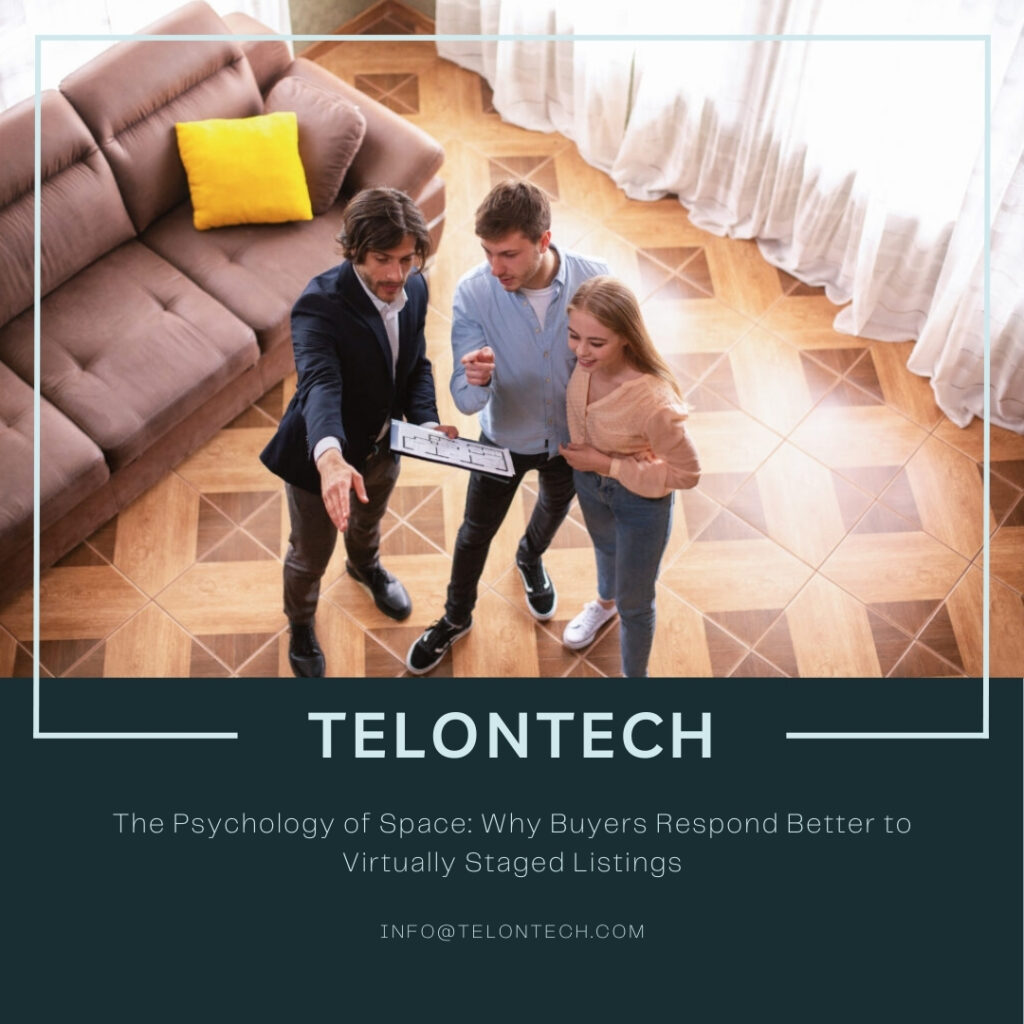
In today’s highly competitive real estate market, first impressions often decide whether a property sells quickly or sits unsold for months. Buyers scroll through dozens, sometimes hundreds, of property listings every day. As a result, visual appeal plays a more powerful role than ever before. This is where Virtual Home Staging make a major difference. Instead of showing empty rooms or outdated interiors, virtual staging allows real estate professionals to present a home in its best possible version. Buyers do not just see a space; they imagine a lifestyle. Consequently, properties with virtually staged listings attract more attention, generate stronger emotional responses, and drive faster purchasing decisions. This blog explores in depth why buyers respond better to virtually staged listings and how this modern marketing strategy reshapes buyer psychology.
1. The Power of Visual Perception in Real Estate
Human beings process visual information far faster than text. In real estate, this means buyers form opinions within seconds of viewing a listing. If the images fail to capture interest, they often move on without reading descriptions. Virtually staged listings use design principles to guide the buyer’s eye toward the most attractive features of a property. Instead of focusing on flaws or emptiness, buyers notice balanced layouts, appealing furniture, and inviting colors. As a result, visual perception shifts from “this needs work” to “this feels like home.” Moreover, strong visuals create emotional connections, which often influence decisions more than logical reasoning.
2. How Virtually Staged Listings Trigger Emotional Responses
Buying a home is not just a financial decision; it is an emotional journey. Buyers imagine their future, their family, and their lifestyle within the space. Virtual Home Staging listings help create that emotional bridge. When buyers see a beautifully staged living room or a cozy bedroom, they subconsciously place themselves in that environment. Consequently, they feel excitement, comfort, and aspiration. These emotions increase engagement and build desire. In contrast, empty or poorly staged spaces fail to inspire imagination. Therefore, virtual staging acts as a storytelling tool that turns properties into experiences.
3. The Role of Imagination and Lifestyle Visualization
Empty rooms require effort from buyers. They must imagine furniture, layout, and functionality on their own. Many buyers struggle with spatial visualization, especially first-time homeowners. Virtually staged listings remove this barrier. Instead of guessing how a room might look, buyers instantly see a complete vision. They understand scale, flow, and purpose. Additionally, virtual staging highlights lifestyle possibilities such as work-from-home setups, family-friendly spaces, or luxury interiors. As a result, buyers connect more deeply with the property and stay longer on the listing.
4. Trust and Credibility in Modern Property Marketing
Professional presentation builds trust. When buyers encounter high-quality images with realistic staging, they perceive the property as well-maintained and valuable. Virtual Home Staging listings create a sense of credibility, especially when done ethically and transparently. Buyers trust agents who invest in presentation because it signals professionalism. Furthermore, consistent visual quality across listings strengthens brand identity for real estate agencies. Over time, this trust translates into higher inquiry rates and better client relationships.
5. Faster Decision-Making Through Visual Clarity
Decision fatigue affects buyers who browse multiple listings daily. They face overwhelming choices and limited attention. Virtually staged listings simplify decision-making by offering clear, attractive visuals. Buyers quickly understand how a space functions. They do not waste mental energy trying to imagine layouts. Therefore, they make faster and more confident decisions. This clarity reduces hesitation and increases the likelihood of scheduling property visits.
6. Increased Engagement on Online Platforms
Most property searches now happen online. Buyers rely on listing portals, social media, and agency websites. Virtual Home Staging listings perform better across these platforms. They receive more clicks, more shares, and more saves. Additionally, visually appealing content improves algorithm visibility on real estate platforms. As engagement increases, so does organic reach. This creates a cycle where strong visuals attract more attention, which leads to more inquiries and higher chances of conversion.
7. The Psychological Impact of Clean and Organized Spaces
Clutter creates stress. Empty rooms feel cold and uninviting. Virtually staged listings present clean, organized environments that feel balanced and calm. Psychologically, buyers associate order with quality and stability. They perceive staged homes as easier to maintain and more comfortable to live in. As a result, buyers feel less anxiety and more confidence about the purchase. This emotional comfort plays a key role in final decisions.
8. Highlighting Property Potential Without Physical Staging
Traditional staging requires physical furniture, logistics, and high costs. In contrast, virtual staging highlights potential without altering the physical property. Virtually staged listings show buyers what is possible rather than what currently exists. This future-oriented perspective shifts focus from limitations to opportunities. Buyers see possibilities for design, renovation, and personalization. Therefore, they feel inspired rather than discouraged by empty spaces.
9. Cost Efficiency and Scalability for Sellers
From a seller’s perspective, Virtual Home Staging offers financial advantages. Physical staging involves rental costs, transportation, and setup time. Virtually staged listings reduce these expenses significantly. Sellers can stage multiple properties quickly and affordably. This scalability allows real estate professionals to maintain consistent quality across portfolios. As a result, sellers gain higher returns on investment through improved marketing without heavy spending.
10. Competitive Advantage in Saturated Markets
In crowded real estate markets, differentiation becomes essential. Virtually staged listings stand out among generic photos. They attract attention and create memorable impressions. Buyers remember properties that tell a visual story. Consequently, these listings receive more inquiries and visits. This competitive edge becomes especially important in urban areas where similar properties compete for the same audience.
11. The Influence of Social Proof and Sharing Behavior
People trust what others engage with. Virtually staged listings generate more social shares and interactions. When buyers see that a property receives high engagement, they perceive it as desirable. This social proof reinforces interest and urgency. Additionally, attractive visuals encourage buyers to share listings with friends and family, expanding organic reach. Therefore, virtual staging indirectly increases credibility and visibility.
12. Reducing Time on Market Through Emotional Appeal
Time on market affects perceived value. Properties that remain unsold for long periods often appear less attractive. Virtually staged listings reduce this risk by generating immediate interest. Emotional appeal accelerates buyer action. When buyers feel connected to a property, they act faster. This leads to shorter selling cycles and better price outcomes for sellers.
13. Adaptability Across Buyer Demographics
Different buyers seek different lifestyles. Some prefer minimalist designs, while others want luxury or family-friendly layouts. Virtually staged listings adapt easily to these preferences. Agents can create multiple versions of the same property to target different audiences. This flexibility enhances personalization and improves marketing effectiveness. As a result, properties appeal to broader demographics without additional physical changes.
14. Ethical Transparency and Realistic Expectations
Ethical virtual staging focuses on enhancement, not deception. When done correctly, it respects the property’s true structure while improving presentation. Virtually staged listings should avoid altering layouts or hiding defects. Transparency builds trust and ensures buyers have realistic expectations. This ethical approach strengthens long-term relationships and protects professional credibility.
15. The Future of Buyer Behavior in Digital Real Estate
As technology evolves, buyer behavior continues to shift toward digital-first experiences. Virtual tours, augmented reality, and AI-driven personalization will further enhance virtually staged listings. Buyers will expect immersive visuals as standard. Those who adapt early gain long-term advantages. Therefore, virtual staging is not just a trend; it represents the future of property marketing.
16. The Impact of Virtual Staging on Buyer Confidence
Confidence plays a crucial role in any purchasing decision, especially in real estate where financial risk feels significant. Virtual Home Staging listings help reduce uncertainty by presenting properties in a polished and complete way. When buyers see professionally designed interiors, they feel reassured that the property holds real value. This confidence does not come from deception but from clarity. Buyers understand how spaces function, how rooms connect, and how furniture fits realistically. As a result, they approach the property with a positive mindset instead of skepticism. Confident buyers ask better questions, schedule visits faster, and move through the sales funnel more smoothly.
17. How Virtual Staging Improves Price Perception
Perceived value often matters more than actual square footage or location. Virtually staged listings influence how buyers interpret price. When a property looks modern, stylish, and well-designed, buyers associate it with higher quality. They feel the price makes sense, even if similar unstaged properties cost less. This psychological effect reduces price resistance and negotiation pressure. Instead of focusing on discounts, buyers focus on benefits. Therefore, sellers who use virtual staging often maintain stronger pricing positions and avoid unnecessary markdowns.
18. Reducing Buyer Anxiety During Property Comparison
Most buyers compare several listings before making a decision. This process creates stress because they fear making the wrong choice. Virtually staged listings simplify comparison by offering clear emotional cues. Buyers remember visually appealing homes more easily than empty ones. When recalling options, they picture the staged property first. This mental shortcut reduces anxiety and speeds up commitment. Instead of feeling overwhelmed, buyers feel guided toward a preferred choice.
19. The Role of Design Psychology in Virtual Home Staging
Design psychology explains why certain layouts, colors, and lighting make people feel comfortable. Virtually staged listings apply these principles intentionally. Soft lighting creates warmth. Neutral colors reduce distraction. Balanced layouts create a sense of harmony. These elements influence mood without buyers realizing it. They feel relaxed, inspired, and emotionally open. This emotional state increases receptiveness and trust. As a result, buyers become more emotionally invested in the property.
20. Virtual Home Staging as a Tool for Storytelling
Every successful listing tells a story. Instead of presenting a property as a product, virtual staging presents it as a lifestyle. A dining table suggests family dinners. A home office suggests productivity. A cozy bedroom suggests comfort. These visual stories help buyers imagine daily life. They do not just evaluate features; they imagine experiences. This narrative approach increases emotional attachment and strengthens decision-making.
21. Supporting International and Remote Buyers
Global buyers rely heavily on online visuals because they cannot visit properties easily. Virtually staged listings become essential for this audience. They provide context, scale, and atmosphere. International buyers feel more connected to properties they can visualize realistically. This connection increases trust and reduces hesitation. As remote buying grows, virtual staging becomes a critical tool for cross-border real estate marketing.
22. Improving Agent Performance and Client Satisfaction
Agents who use virtually staged listings work more efficiently. They spend less time explaining layouts and more time addressing buyer needs. Clients feel satisfied because listings attract higher-quality inquiries. This improves agent reputation and referral potential. Over time, agents build stronger brands through consistent visual excellence. Virtual staging becomes not just a marketing tool but a professional advantage.
23. The Role of Memory and Recall in Buyer Behavior
Psychological studies show that people remember images better than text. Virtually staged listings leverage this memory bias. Buyers remember staged interiors long after browsing sessions end. When they think about buying, those images resurface first. This recall advantage increases the chance of follow-up inquiries and return visits. Memory-driven decisions often feel instinctive, which makes buyers more confident in their choices.
24. How Virtual Home Staging Supports Sustainable Marketing
Sustainability matters more each year. Physical staging creates waste, transportation emissions, and material usage. Virtually staged listings reduce environmental impact. They eliminate furniture transport and resource consumption. This eco-friendly approach aligns with modern buyer values. Buyers increasingly prefer brands that demonstrate responsibility. Therefore, virtual staging also strengthens ethical and environmental positioning.
25. Long-Term Brand Value for Real Estate Companies
Consistent use of virtual staging builds a recognizable visual identity. Buyers begin to associate certain agencies with quality presentation. This long-term branding effect increases market authority. Over time, agencies become trusted sources of premium listings. Brand value grows through visual consistency, emotional storytelling, and professional standards.
Conclusion
Virtual Home Staging listings succeed because they align with how buyers think, feel, and decide. They transform empty spaces into emotional experiences. They reduce cognitive effort, increase engagement, and build trust. Moreover, they create strong visual narratives that help buyers imagine their future. In an era where attention is limited and competition is intense, virtual staging offers a powerful solution. Ultimately, buyers respond better to virtually staged listings because they do not just see a house; they see a home waiting to be lived in.